Whenever anyone asks me what I do, I say, “I’m an artist.” And then they ask me, “Are you a painter?” And I say, “No, I’m a photographer.” And then they pause for a moment, and I say, “A fine art photographer.” And then they pause again and say, “Well, what do you make work of, then?” Then I go into talking about the basis of my work in relationship with the exploration of community, my interest in documentary, and so on. Then it becomes this big thing and they’re really confused. People will ask, “So you take portraits, but they’re not for the people you take portraits of?” And I’m like, “No, they’re just for me—and for an audience.”
— Catherine Opie, “Optic Nerve,” PARIS LA 11 (Spring 2014)
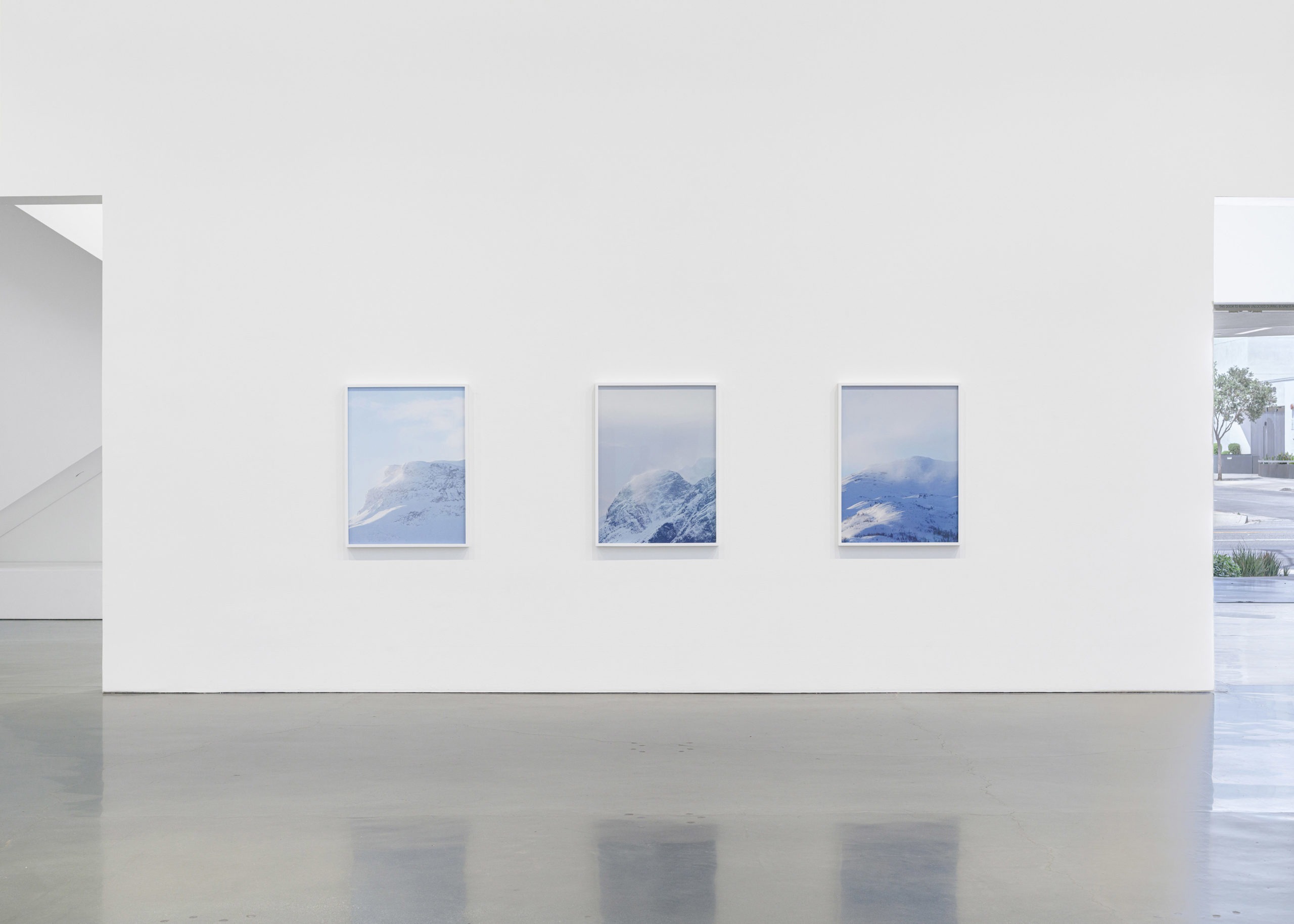
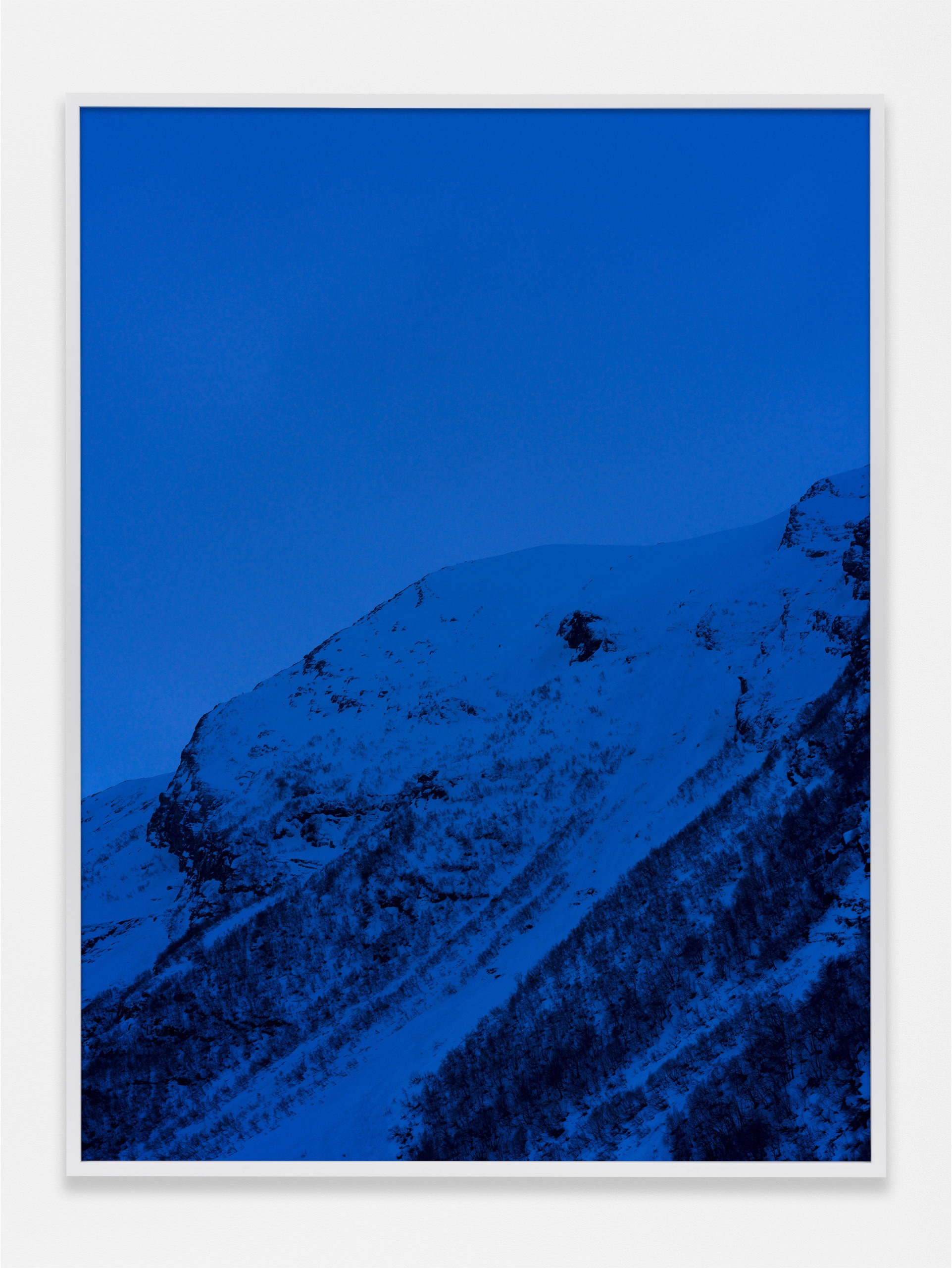
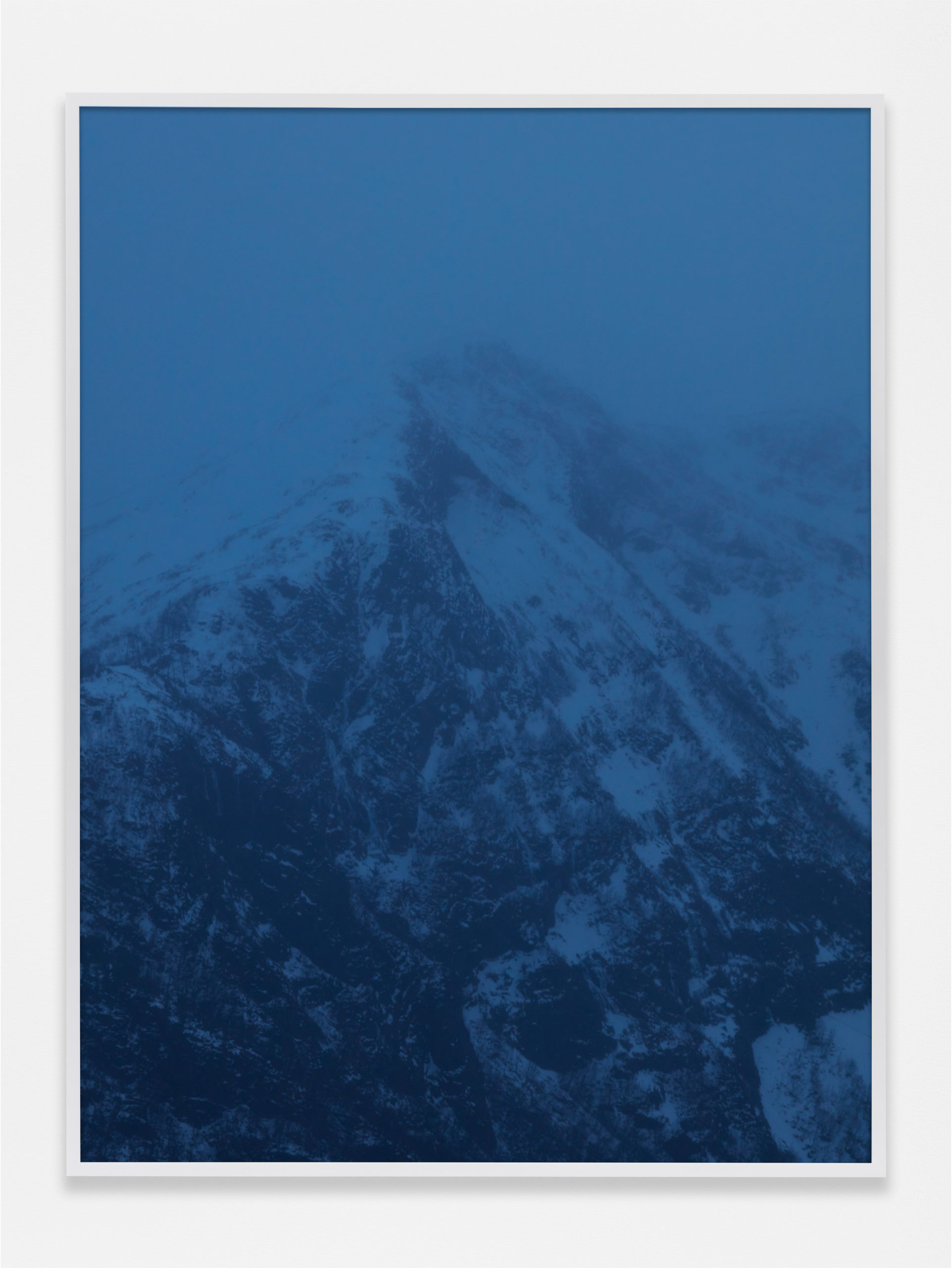
In Holding Blue (Regen Projects, May 28–July 3, 2026), Catherine Opie embarks on a quintessential quest through Nordic territory in search of the blue hour. Part meditative, part symbolic, this series of mountain portraits—gigantic natural elements suspended between earth and sky—transports the viewer through shifting variations of hue, light, and form. A master of photography, Opie excels at bringing a singular intensity to her subjects and moving her audience in the process—rendering her art deeply political even when it depicts nothing more than a still landscape.
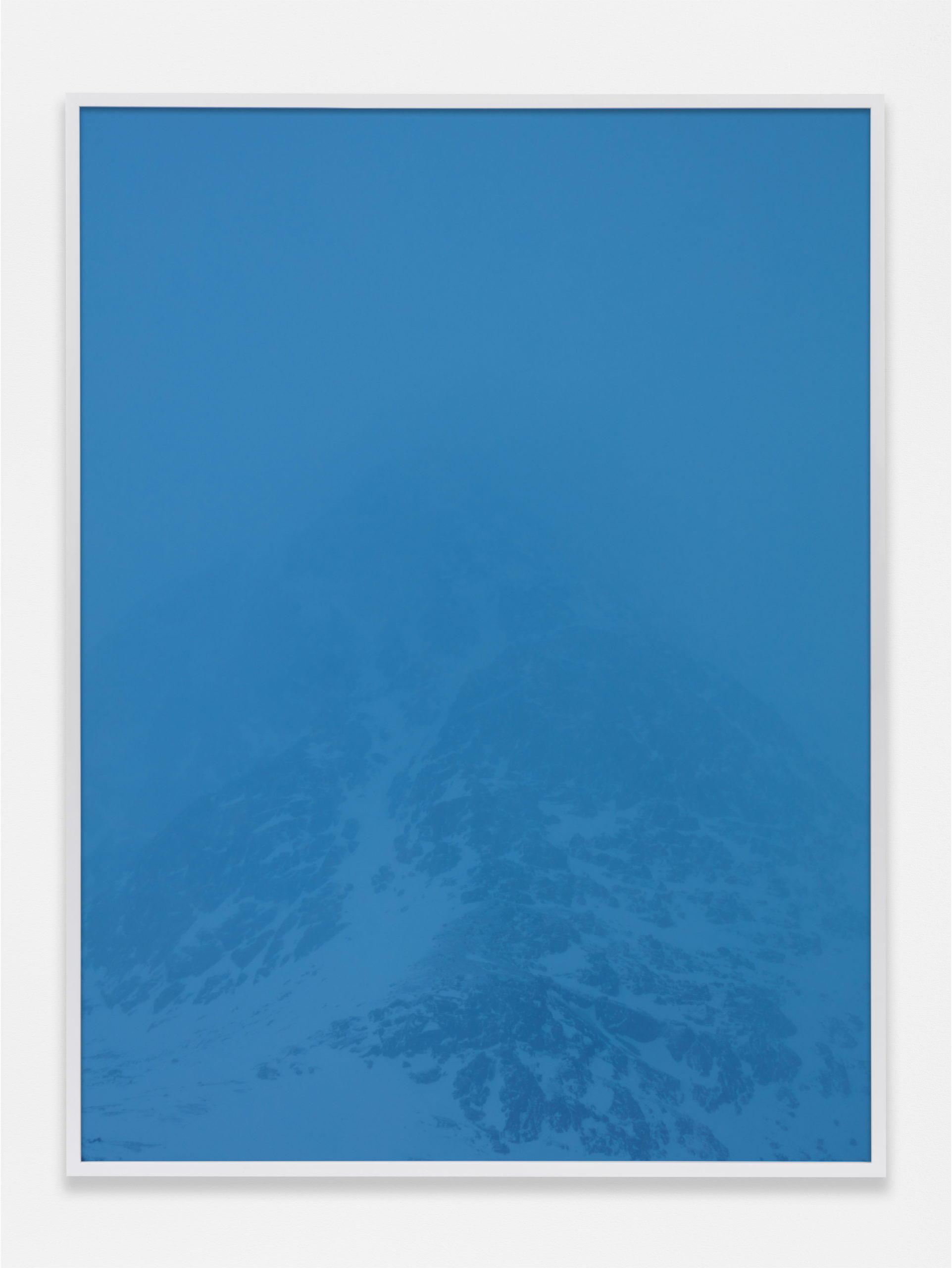
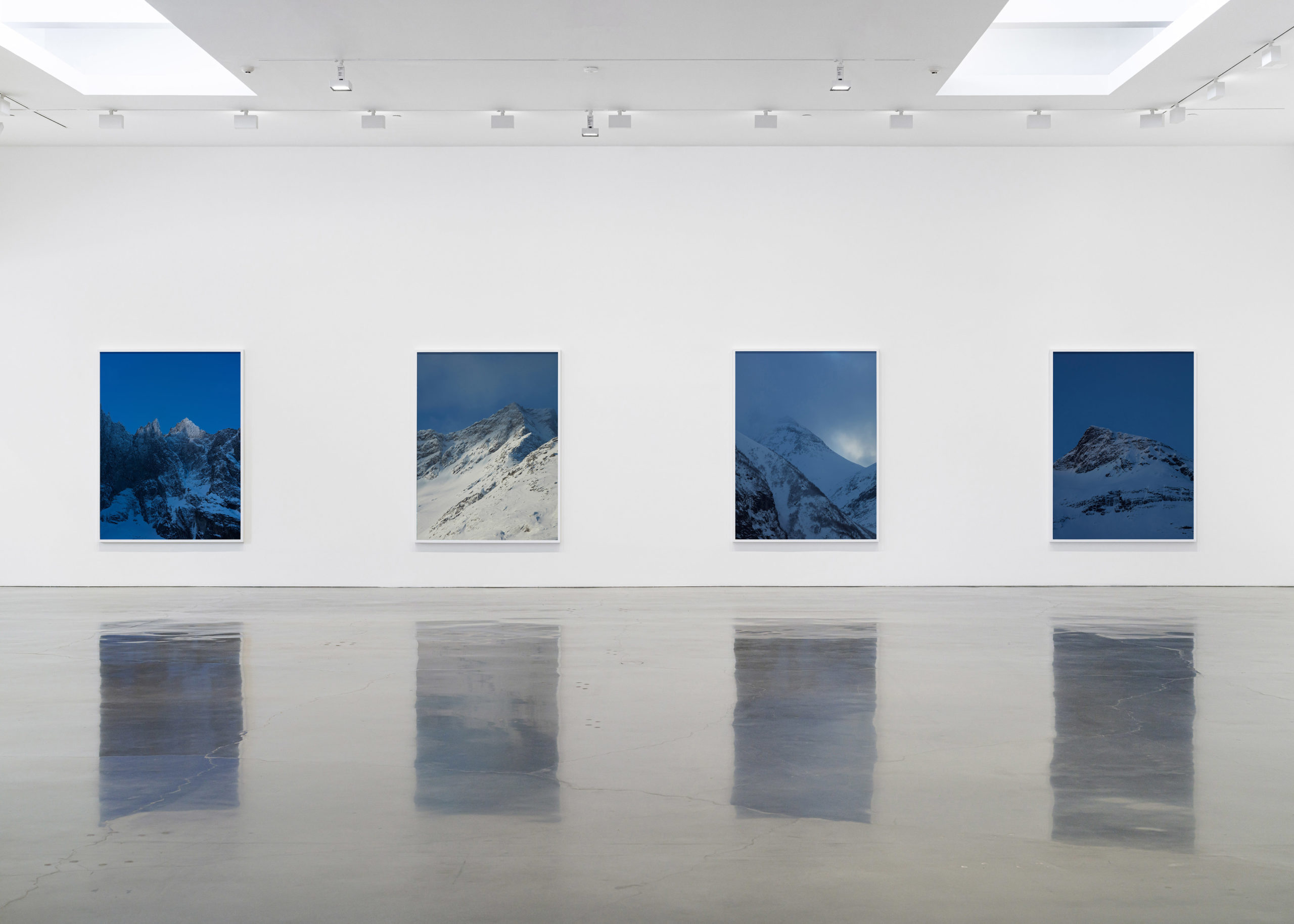
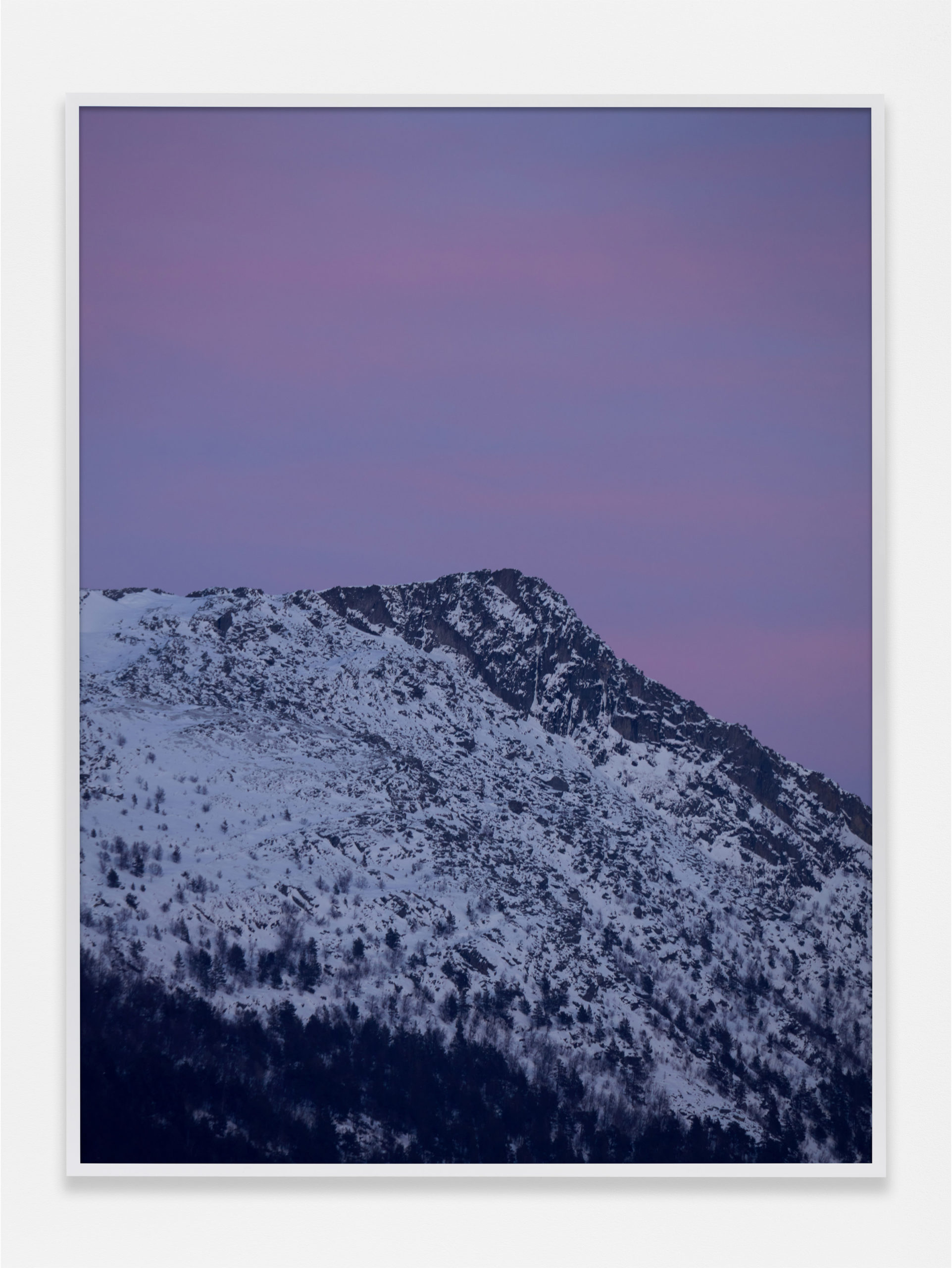
There is no human presence in the photographs, which at first feels disconcerting, as the viewer loses all sense of scale. The way the landscape is framed in portrait format adds a further layer of questioning: why show these mountains as if they were people, dehierarchizing the human body in the process? One can wonder if this is meant to underline the urgency of environmental questions. Yet slowly, the immensity of the subject—the mountain—makes clear that this work is not about the human, nor about the relationship between human and nature. What takes hold here is the essence of nature in its most vulnerable yet powerful form. There is something almost sacred about what unfolds in the room through this series of tableaux. Like mantras, their repetition commands respect and reverence toward the subjects they depict. Blue—the dominant shade that illuminates the room—reinforces the idea of supreme power. Blue is the color of royalty, of queens and kings, of the sky itself; blue is one step removed from the divine. Blue is also, of course, the color of melancholy.
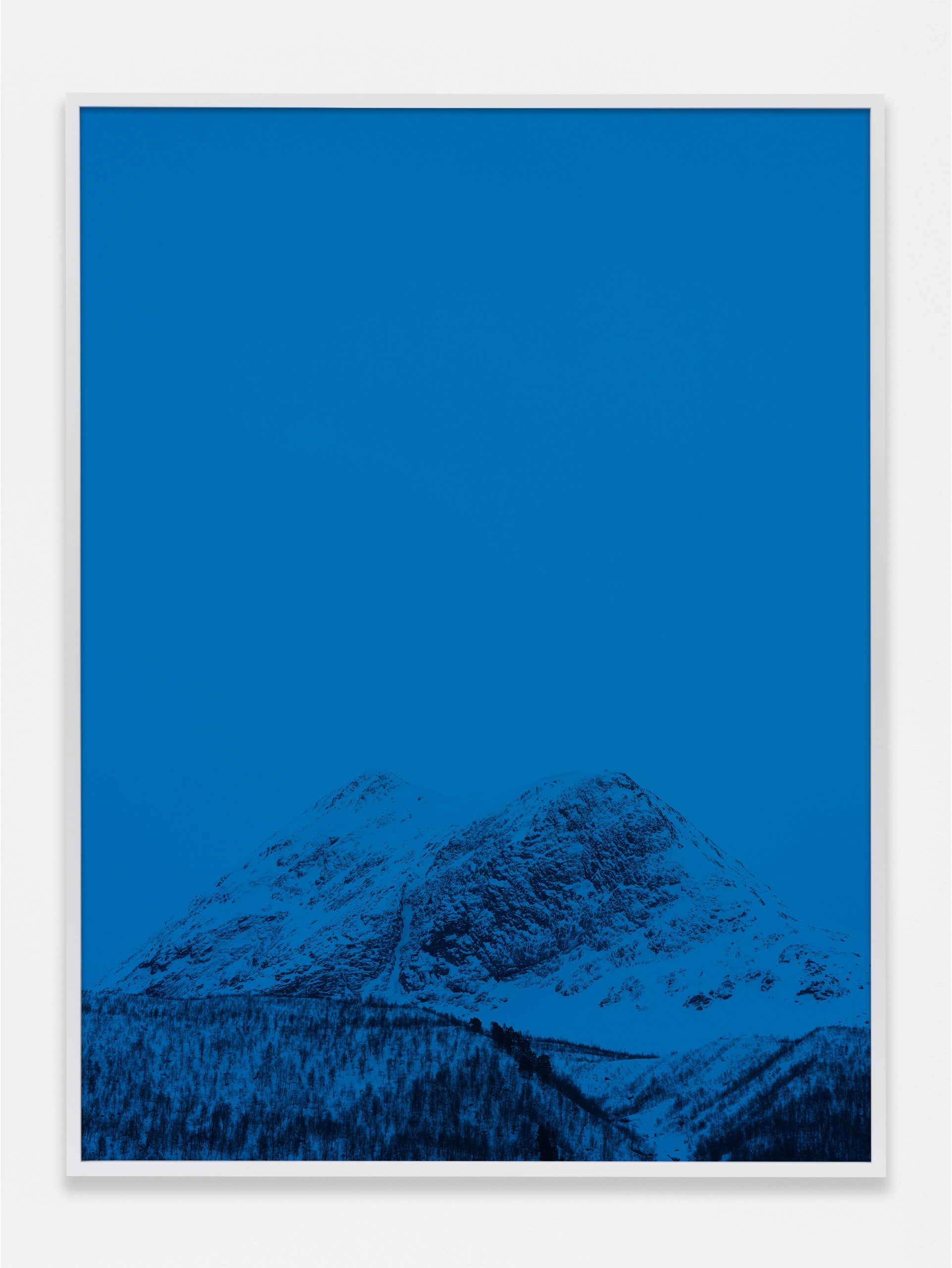
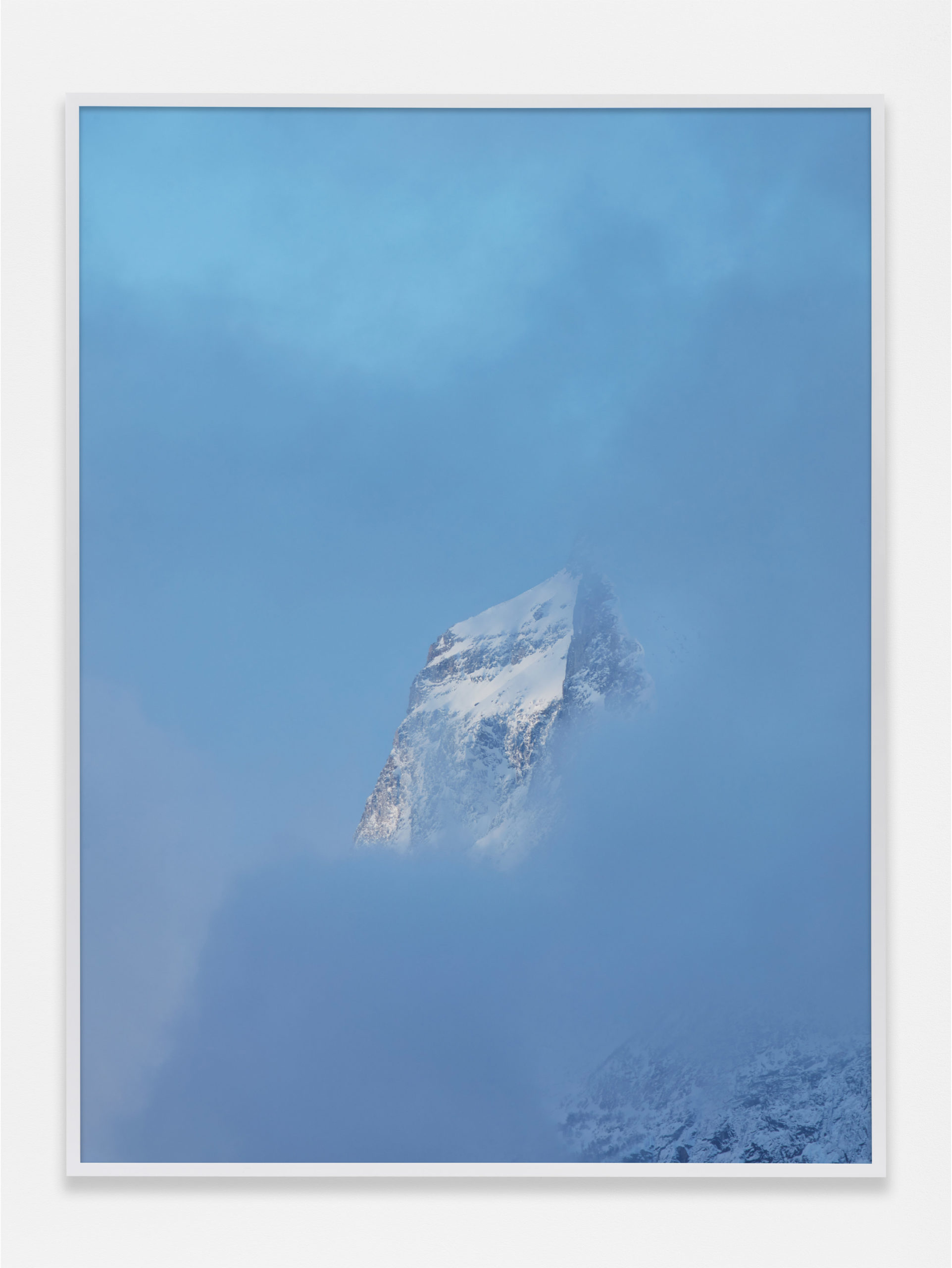
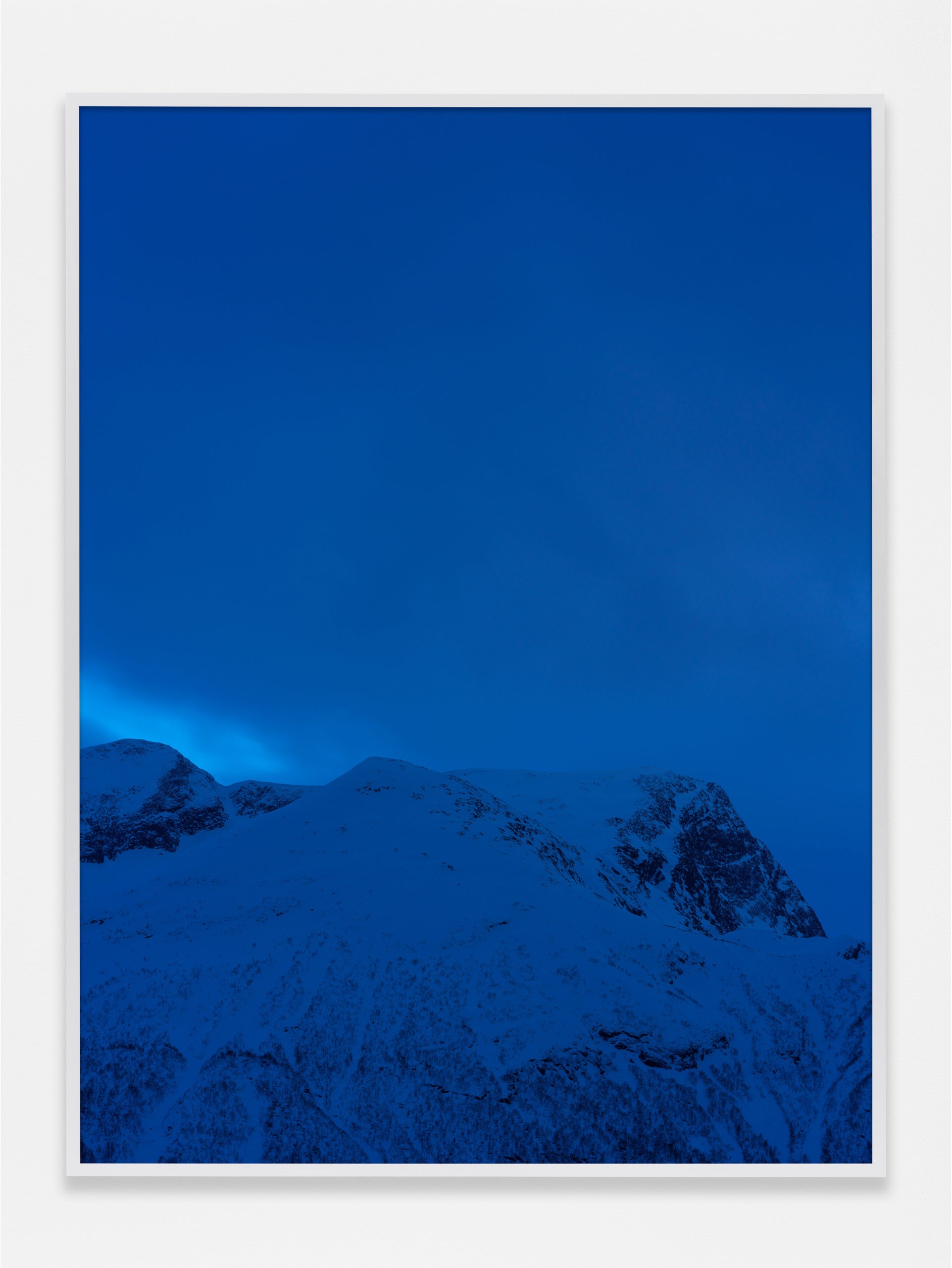
Opie is a renowned artist who has captured, with acute sensitivity, our present era—and by extension, the cultural shifts that have occurred between the twentieth and twenty-first centuries. Since the 1990s, by exhibiting and publishing her work publicly, she has documented the people and places close to her heart—Girlfriends, Children, Surfers, Portraits and Landscapes, High School Footballers, Icehouses, Swamps, Domestic, In and Around Home, Venice, 700 Nimes Road, American Cities, Freeways, Inauguration, Self-Portraits. Together, these series read like a road trip across the United States, forming one of the finest portraits of the country since Robert Frank’s. With Holding Blue, she goes abroad, taking her camera to Norway in the heart of winter to draw a portrait of a country that is, for once, not her own.
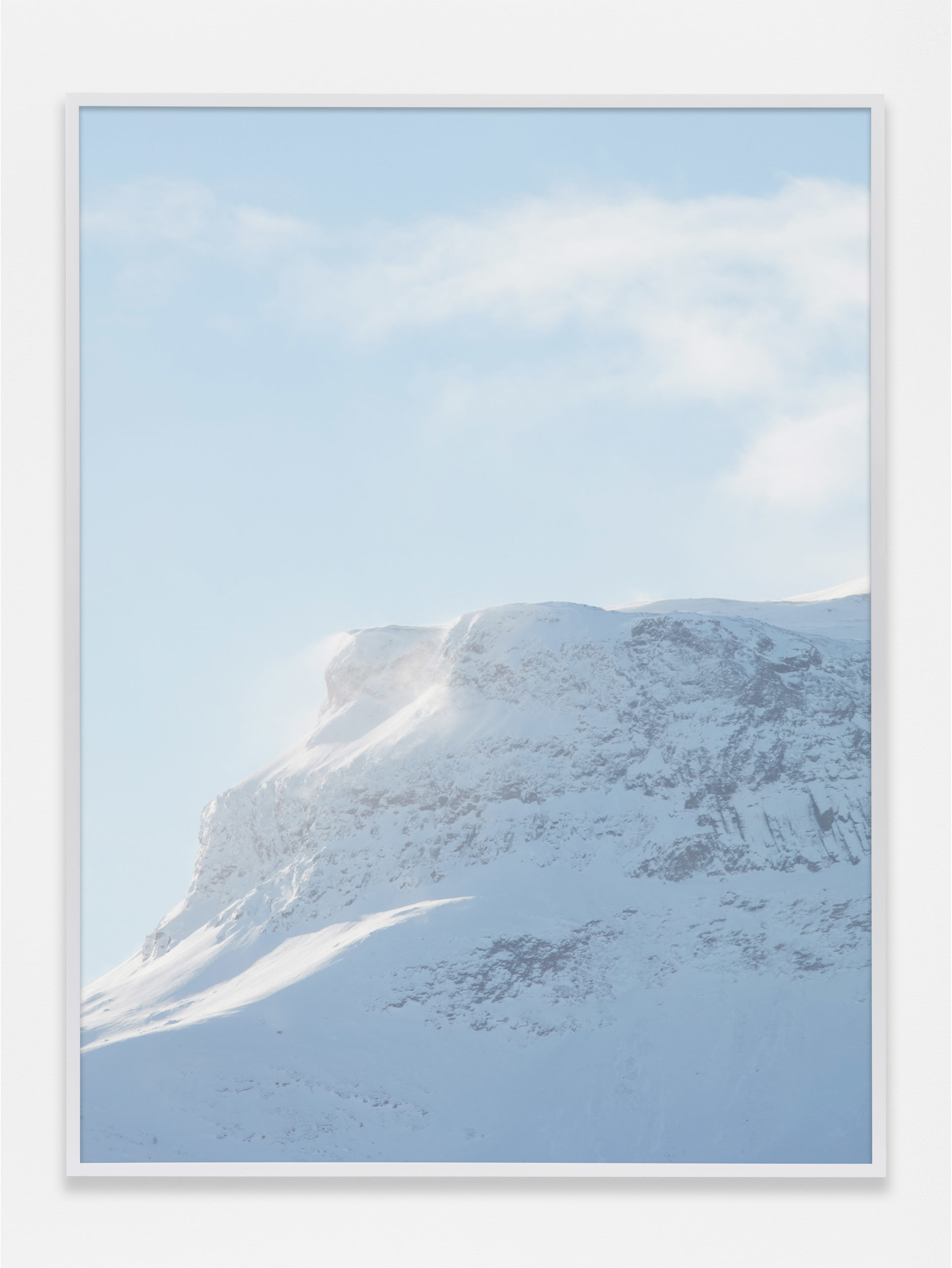
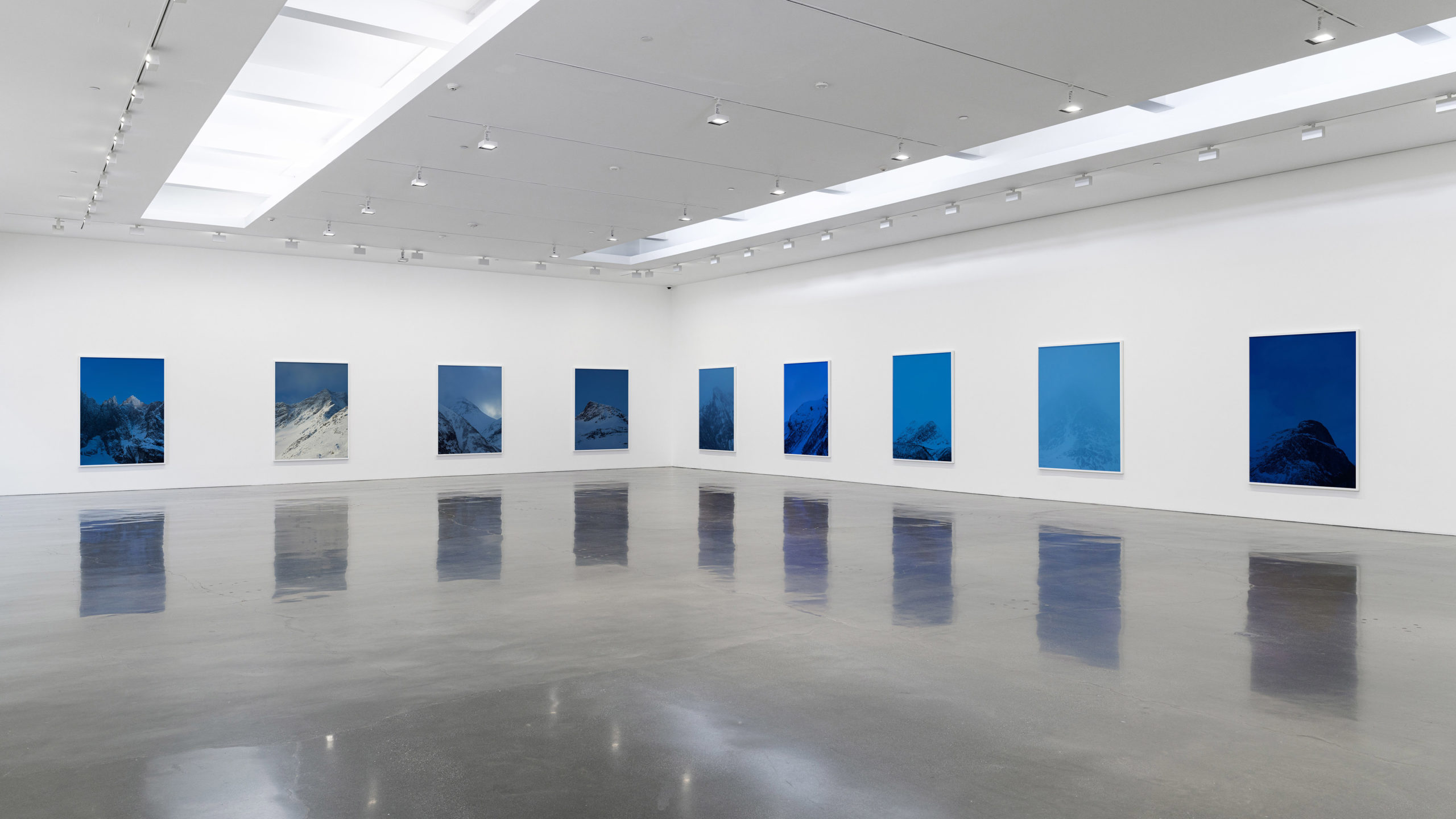
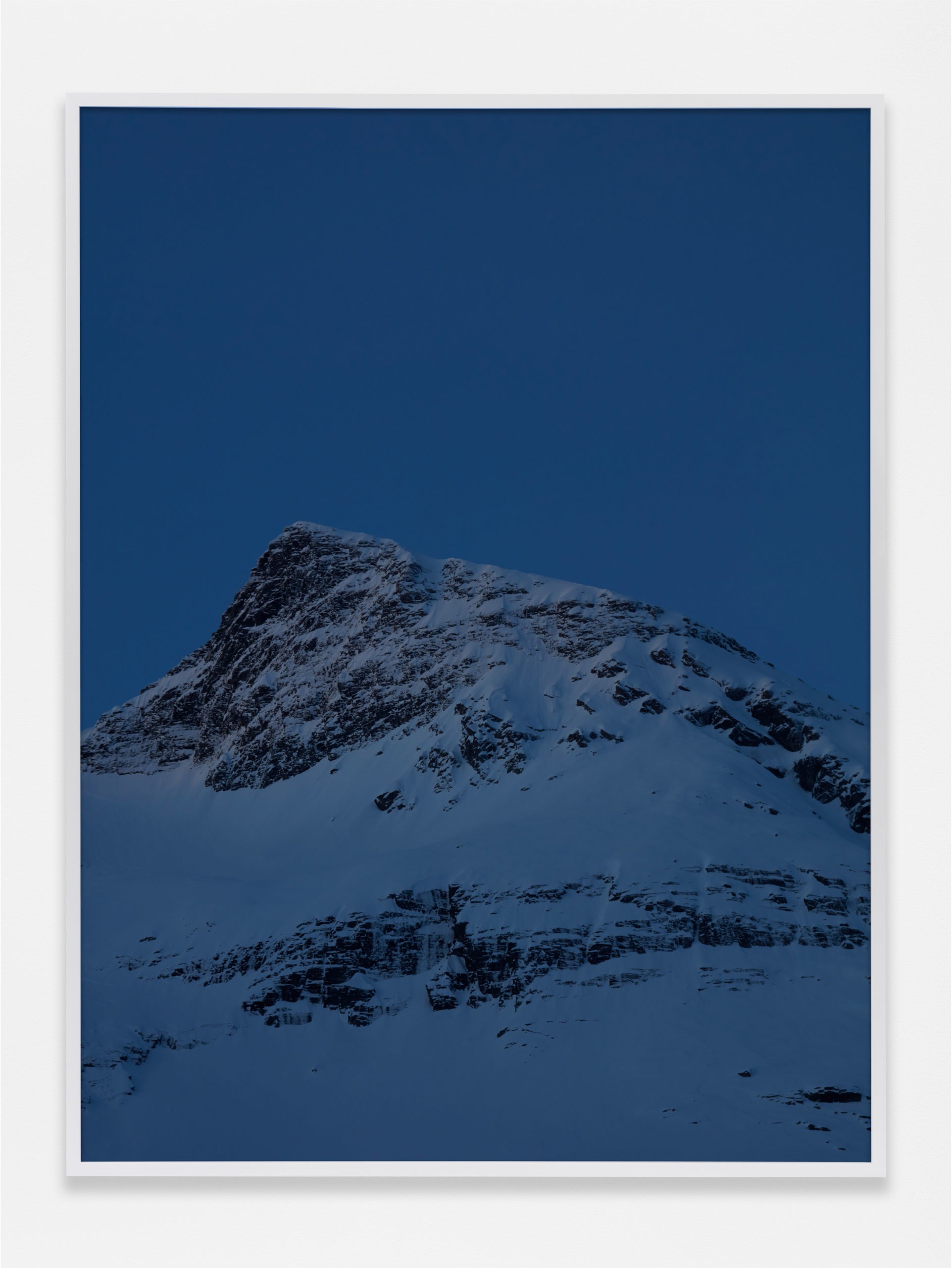
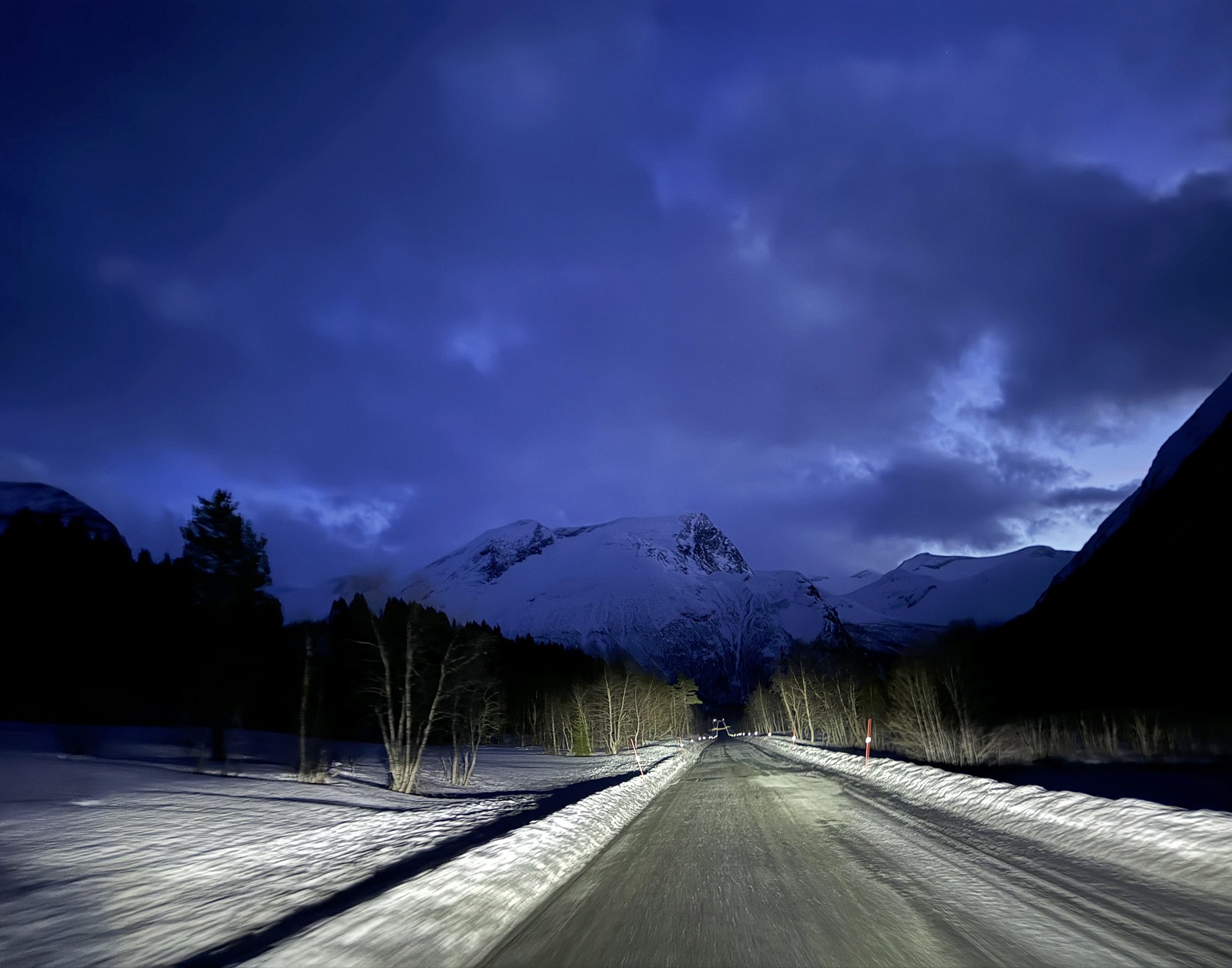
The weather conditions in which Opie found herself while capturing this Norwegian landscape were extreme, yet she was not deterred from pursuing her exploration. She first encountered this light about fifteen years ago, during a trip to Oslo, when she saw blue light reflecting on the face of a child carried on his father’s shoulders in the middle of the afternoon. When she tells this story during the press walkthrough, it becomes obvious, once again, how naturally she gravitates toward people and places, and how her own experience informs the work, turning the personal into a social—and inevitably political—engagement. One might wonder, though, why Norway—why not capture the mountains of the U.S.? After all, the American landscape is one of the most iconic subjects in mainstream culture. But the blue hour is a Nordic phenomenon, and by placing this distance between herself and home, Opie shifts the focus onto the color itself and, through her visual command, reminds her audience of everything that color carries. Blue is a recurring subject in art history: Picasso’s Blue Period, Yves Klein’s famous blue, Derek Jarman’s Blue. It’s no surprise, then, that Opie, who defines herself as a fine art photographer, would follow in their footsteps, building her own body of blue work.
By exploring a natural element—the mountain—she draws the viewer’s attention to nature’s fragile exposure. At a moment of deep crisis in the U.S., where the current administration is stripping away climate protections for national parks, one can wonder if her subject here is, once again, nothing if not political. After all, blue is one of the colors that symbolize American democracy, and Holding Blue feels like a tender way of carrying hope and love for the environment and the world at large—carrying everyone along with it. — Dorothée Perret
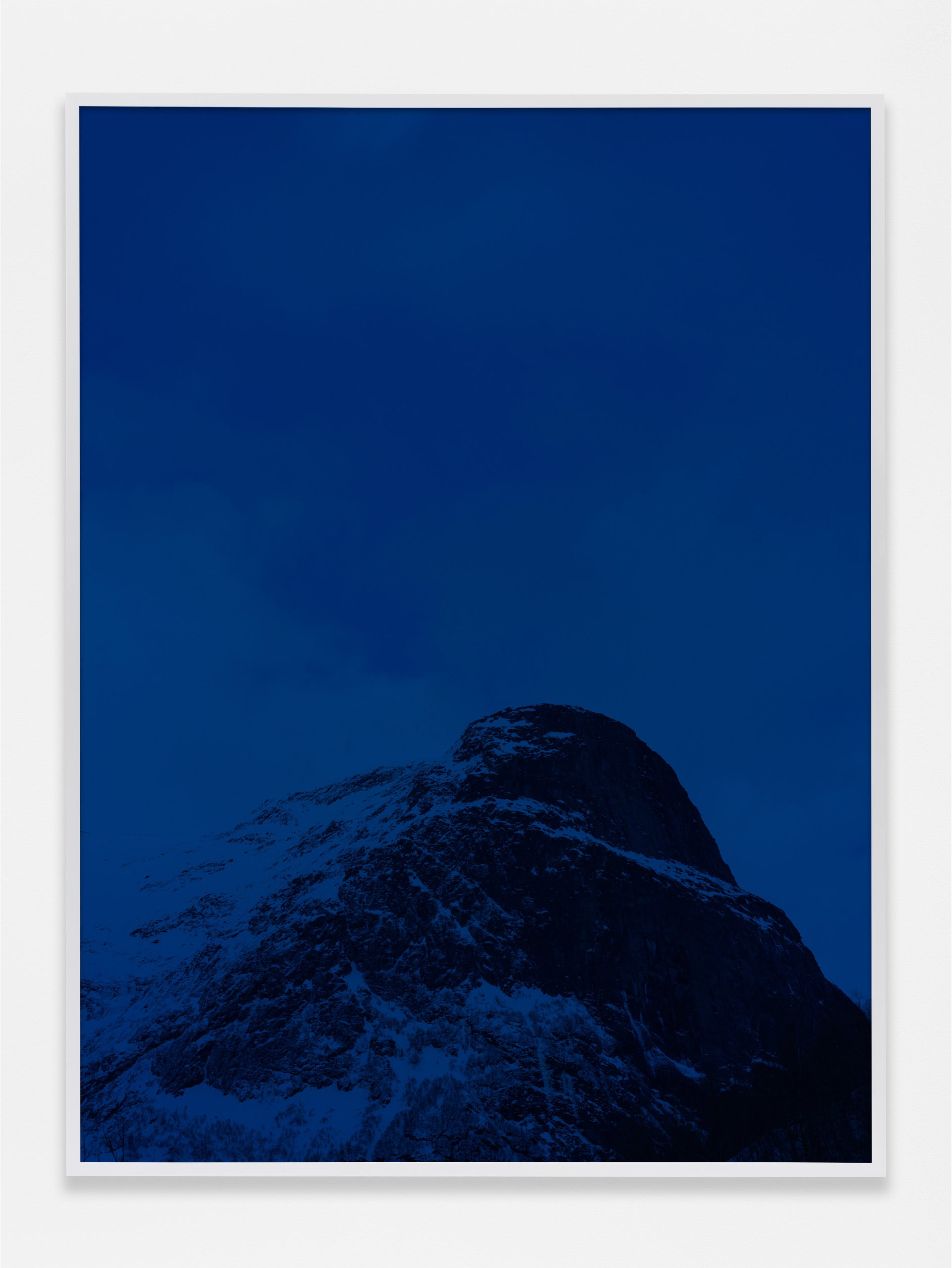
Catherine Opie, Holding Blue, Regen Projects, Los Angeles, May 28–July 3, 2026. Individual artwork images © Catherine Opie, installation photos by Evan Bedford, all photos courtesy of the artist and Regen Projects, Los Angeles.
An exhibition on the same theme, Catherine Opie’s Mountains Don’t Know Their Names, is currently on view at PoMo in Trondheim, Norway, running from June 25, 2026 to January 3, 2027.