For many people, family is something that is just there, but for me those relationships had to be built. When I was very young, my parents died of AIDS, and I went to live with my aunt and uncle. I never took the family bond for granted, I observed their dynamics with a distance not everyone has. Both my biological and adoptive families are numerous: there are many siblings, cousins, uncles, aunts, uncles, grandparents… I have always been surrounded by family. There is deep love, but also a load of wounds, traumas and aspects that are difficult to manage. In that mix, there is a lot of material to tell stories…
I don’t think I would have discovered much about my own family without film. In fact, Romería has ended up becoming a film about the desire to make films, even though that was not the initial idea. It was something that came up while I was writing the script: at a
certain point, I realized that the main character should carry a camera. This made her a much more active character. For me it was very natural, because it was all born out of very personal experience. I think the film can be understood, among other things, as a story about the birth of a filmmaker’s gaze.
Romería is, above all, a film about memory and the need to explain ourselves, to find a story that makes sense of who we are. But it also stems from a certain frustration: what happens when you don’t have that story, when no one around you can satisfactorily tell you where you come from? In my case, film has been the tool that allowed me to invent it, to construct it for myself. — Carla Simón
In her third feature, Carla Simón once again draws a fictionalized veil over an autobiographical armature, a format she first utilized to beautiful effect in her 2017 debut Summer 1993. Set largely in 2004, Romería—Spanish for “pilgrimage”—follows Marina (Llúcia Garcia, in her debut) from Barcelona to Vigo in northwest Spain, the family home of her late father, Alfonso, a recreational user of hard drugs who died of AIDS in the late 1980s. To enroll in film school, she needs a signed document legitimatizing her parentage. In their fear and shame over their son’s death, Fon’s parents—Francoist holdovers—listed him as childless on his death certificate. Getting to know her father’s family for the first time amid the active boating culture of Galicia—specifically a sympathetic uncle played by veteran Tristán Ulloa—Marina mentions to a friend during a phone call that, maybe, one of her cousins is cute.
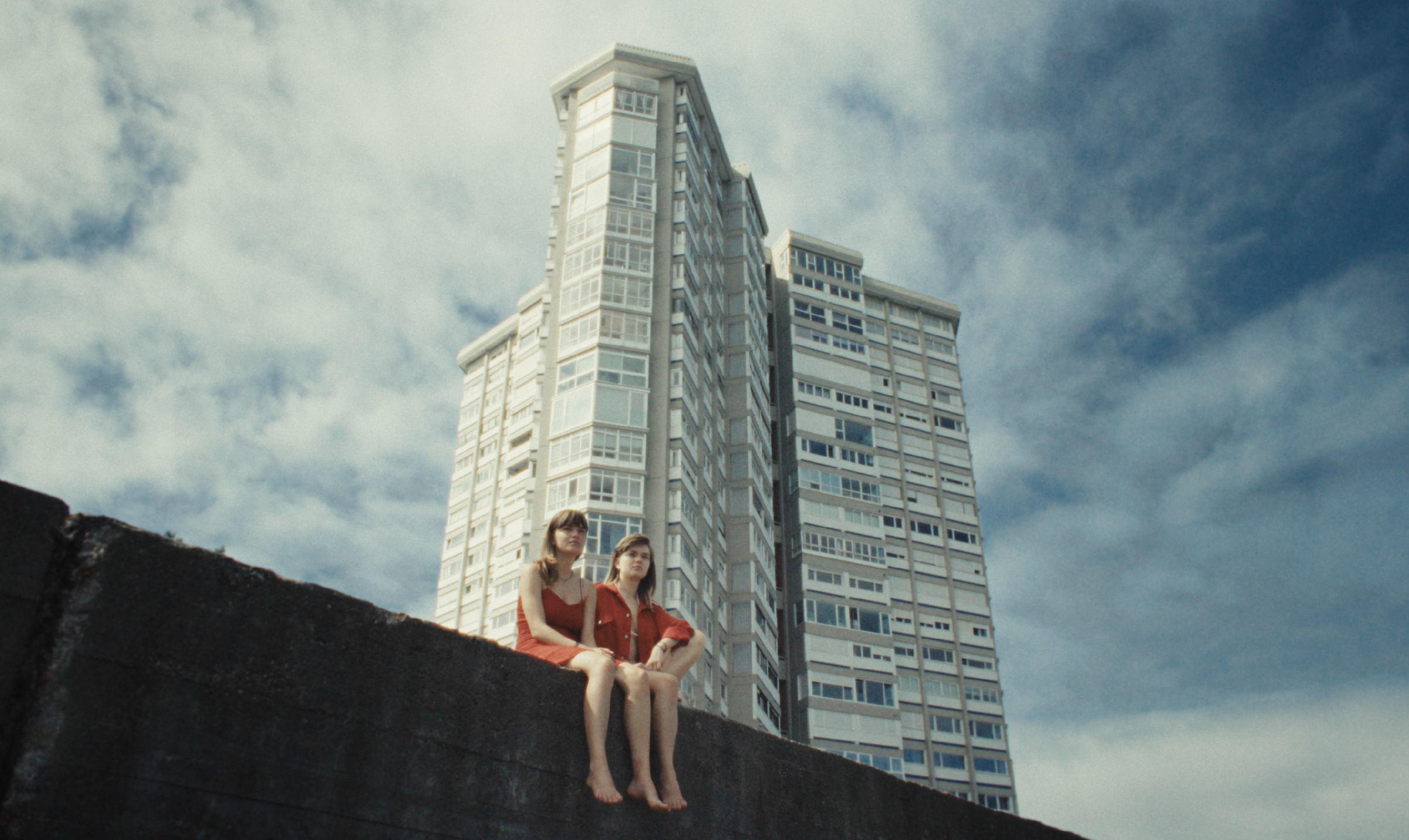
This marks the initial appearance of Mitch Martín, a Dionysian figure with the feral charisma of Franz Rogowski and James Dean. Then, about halfway through the film, Marina takes an imaginary boat trip across an inlet to the apartment building of her late parents, climbing up the highrise to the roof, where she meets her mother (also played by Garcia) and is soon joined by her father (also Martín). This begins a mesmerizing succession of scenes, a picaresque 1980s flashback that electrifies the narrative and pays gentle tribute to lives cut short and dreams unrealized.
Romería is now playing in selected cinemas. See links and info below.
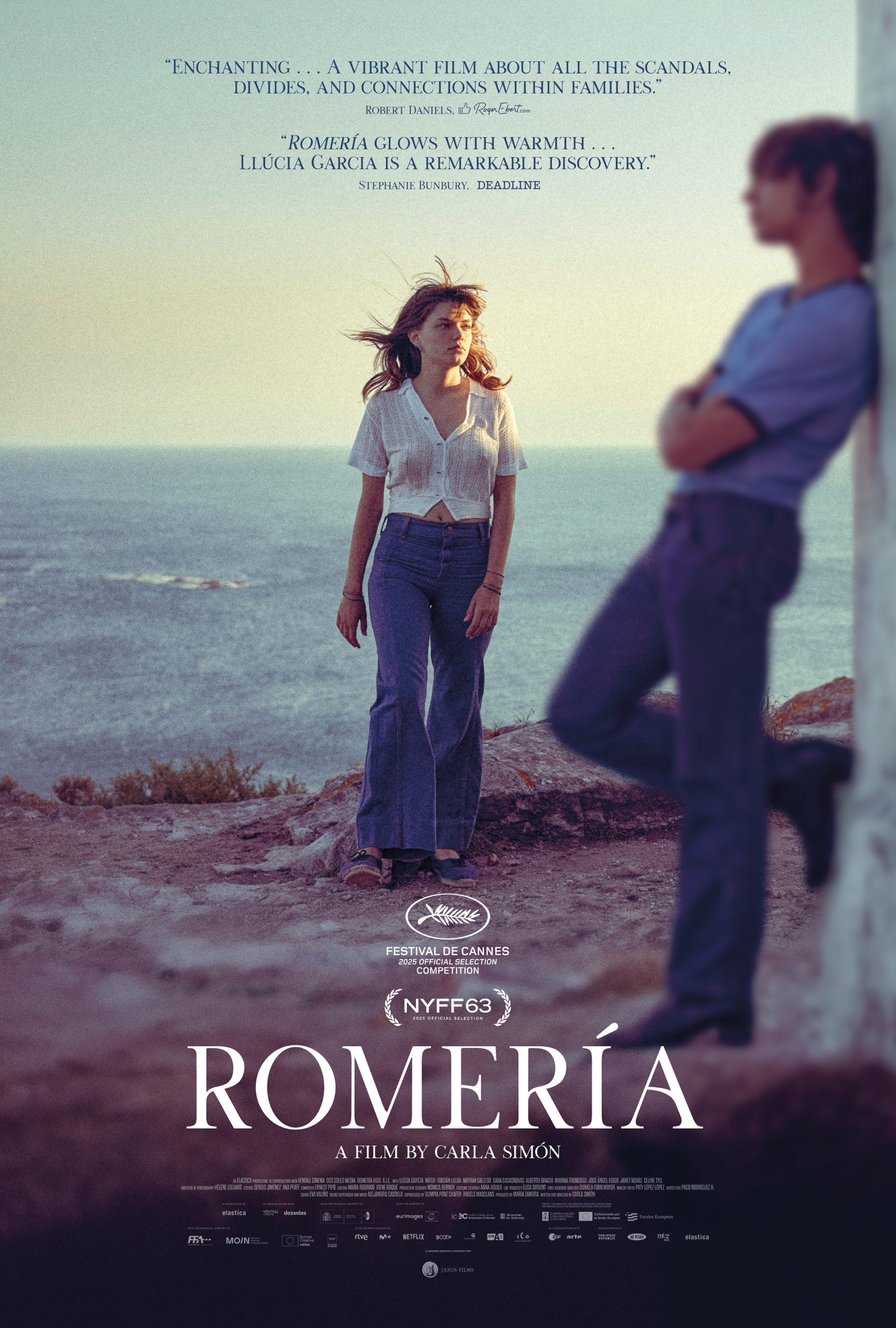
ROMERÍA
Written and directed by Carla Simón
Through Thursday, July 23
Laemmle Glendale
207 North Maryland Avenue, Glendale
Film Forum
209 West Houston Street, New York City
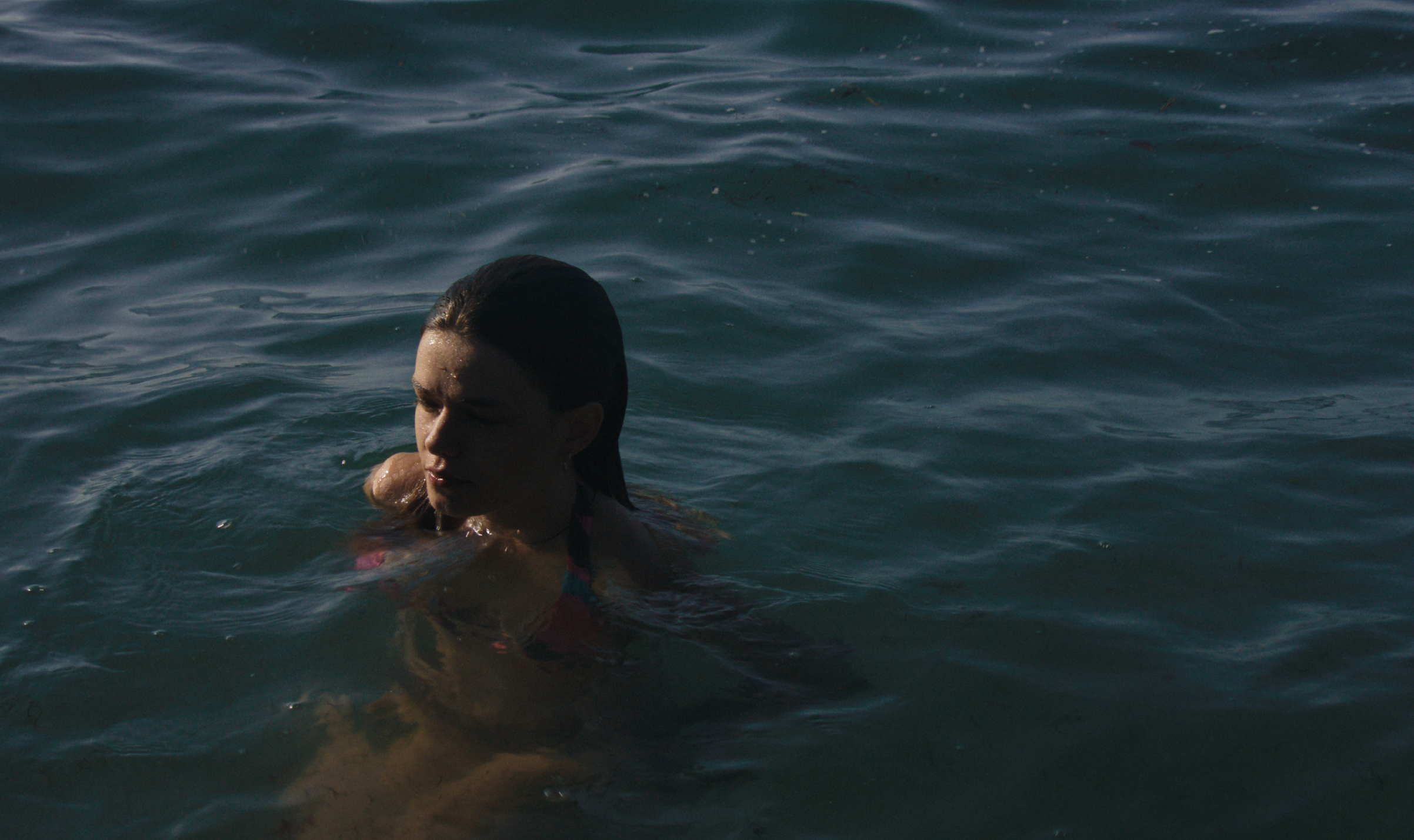
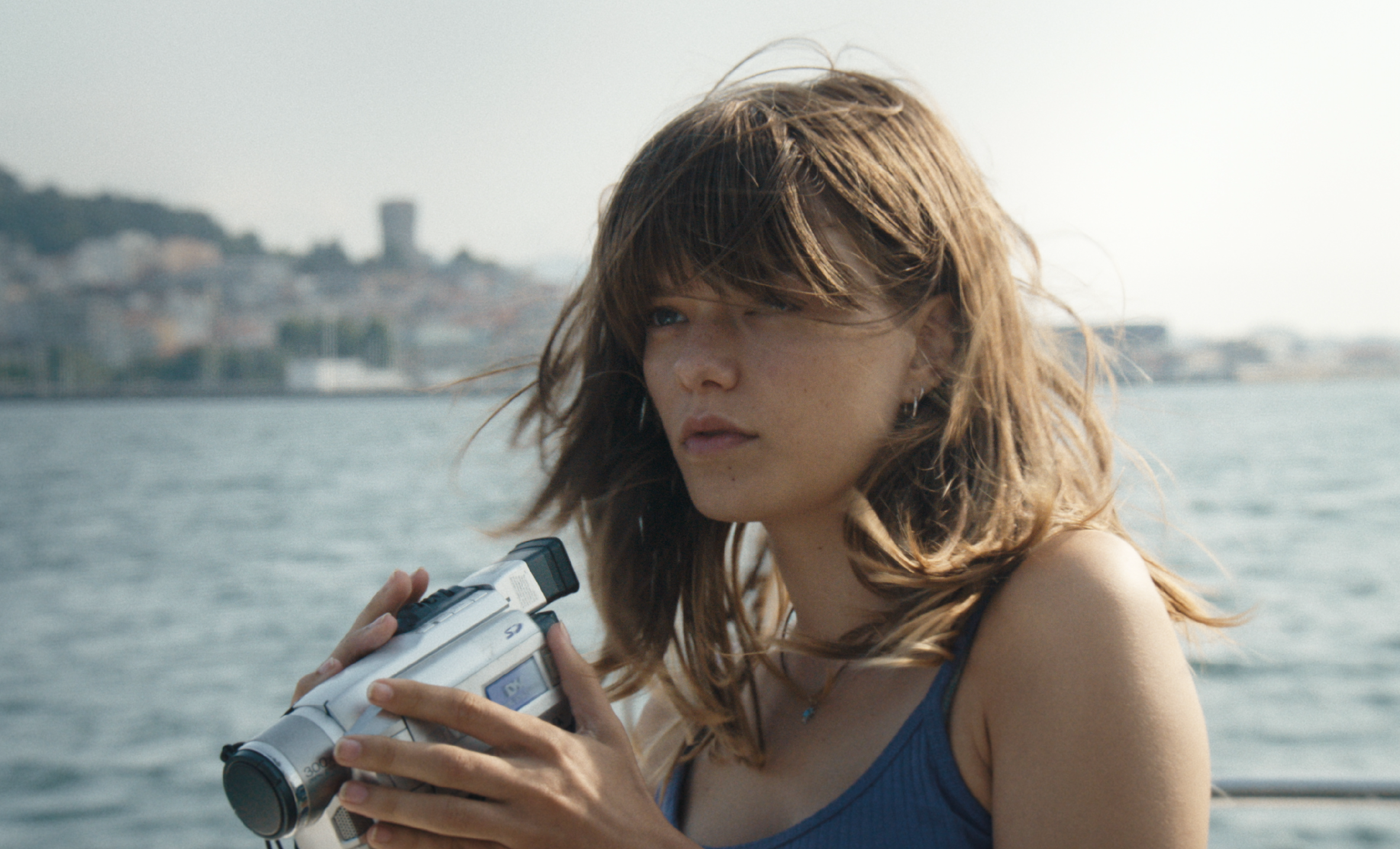
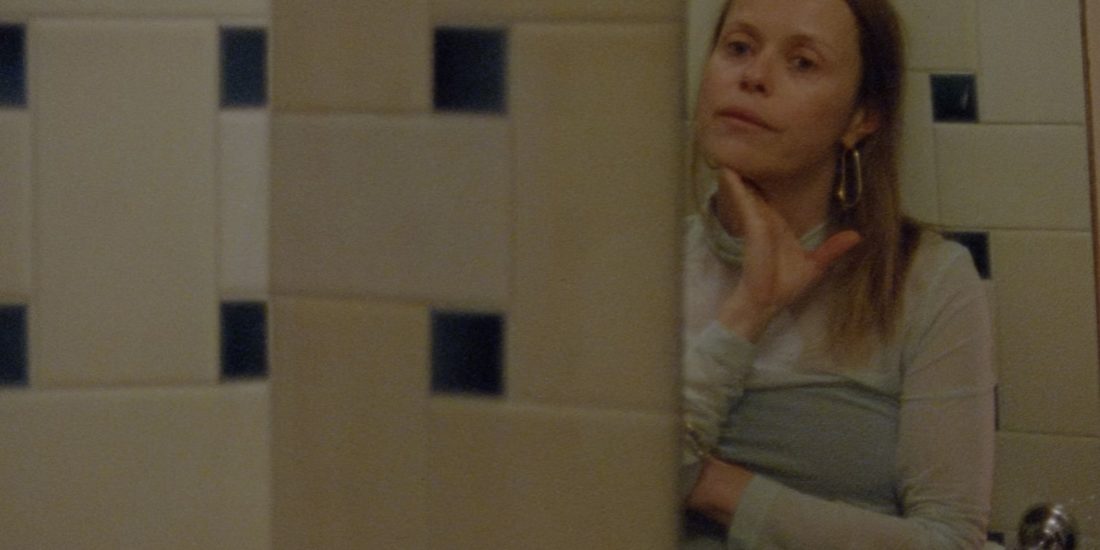
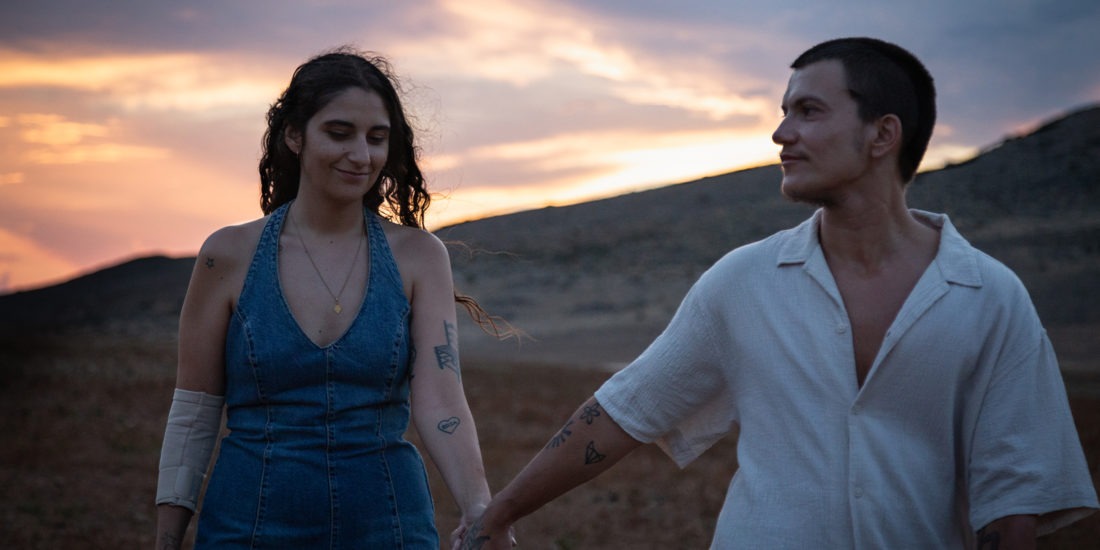
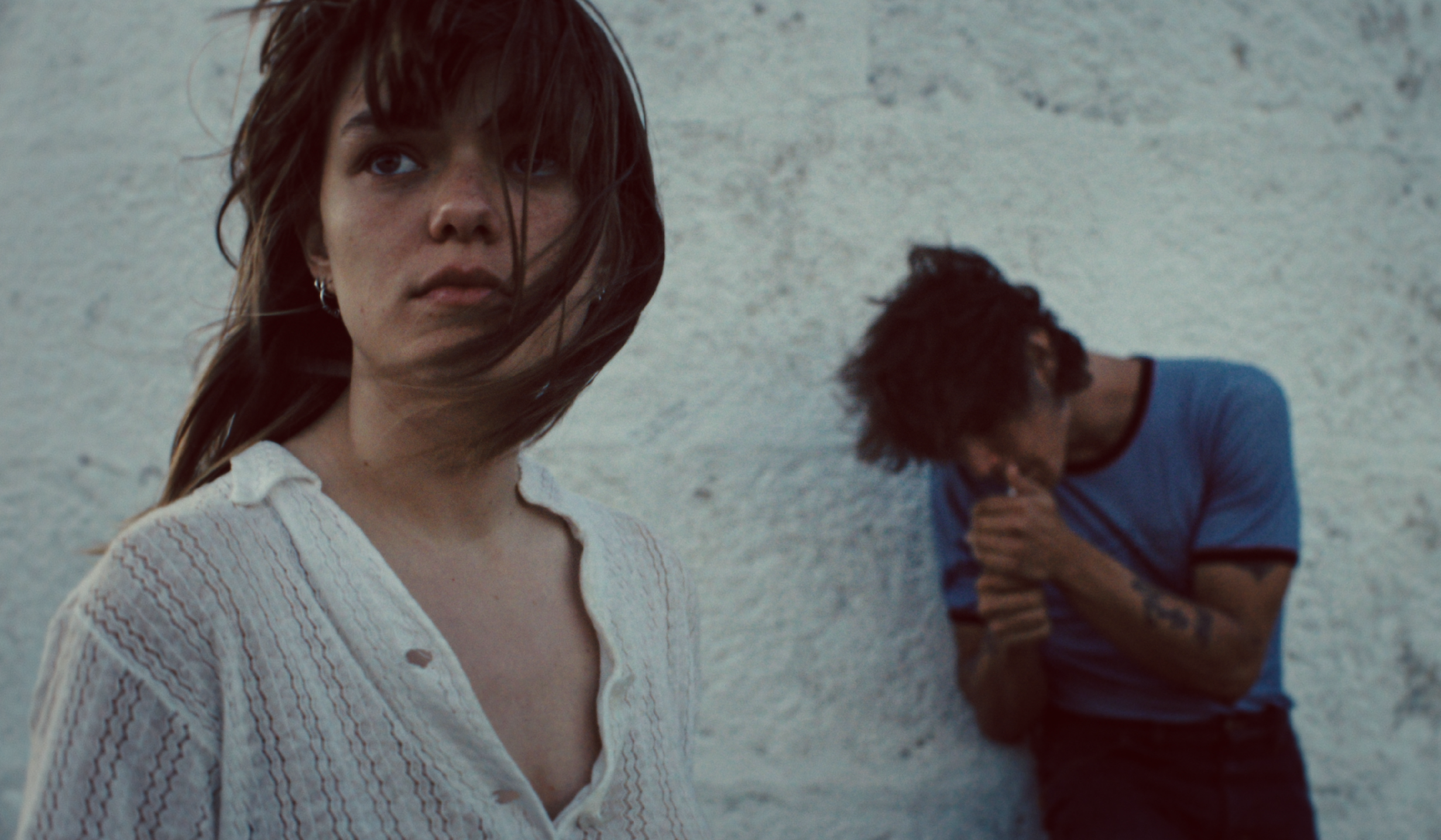
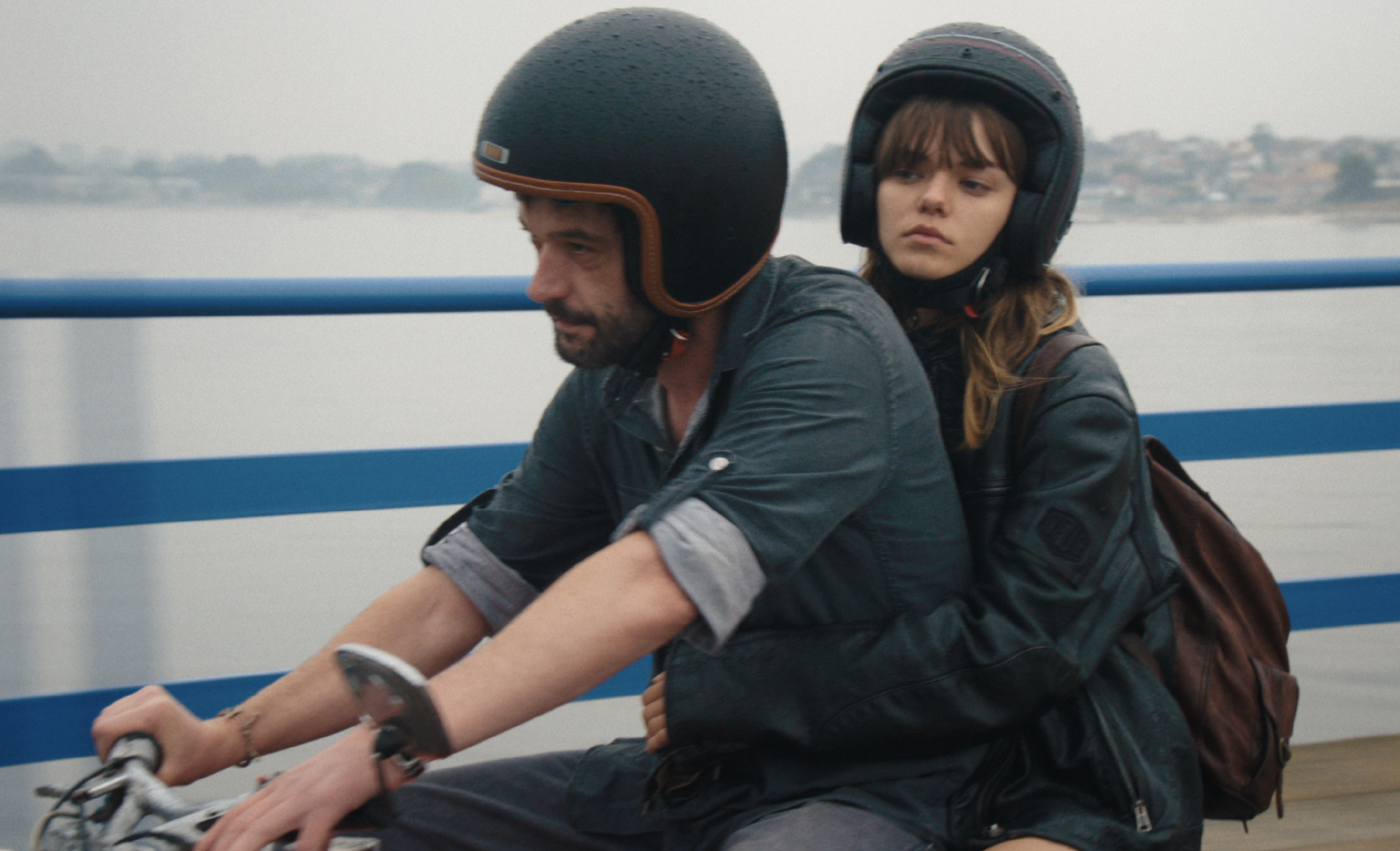
Carla Simón, Romería (2026), from top: Llúcia Garcia and Mitch Martín; Tristán Ulloa and Garcia; Garcia, twice; Romería U.S. poster; Garcia (2). Photos courtesy and © Janus Films.